Africooze E-Bike
Business Plan in Nigeria
Sustainable Electric Mobility for Northern Nigeria
Abubakar Mohammed Hassan (Alishel)
Business & Technology Consultant
Abuja, Nigeria
Phone: 08061602460
Email: [Your Email]
Yusuf Gamawa
Abuja, Nigeria
Phone: 08069638196
Table of Contents
Executive Summary
1.1 Business Overview
This Master Business Plan outlines the comprehensive strategy for introducing Africooze E-Bikes into the Nigerian market, with initial focus on Northern Nigeria.
Africooze (AfricroozE GmbH) is a German-registered social enterprise with roots in the EURIST/FABIO project. The company designs and manufactures e-bikes specifically engineered for African terrain, rural conditions, and commercial mobility needs. With over 500 e-bikes already deployed across 8 African countries, Africooze brings proven experience to the Nigerian market.
1.2 The Opportunity
| Opportunity Factor | Why It Matters |
|---|---|
| Rising Fuel Costs | Petrol at ₦1,037+ per litre makes electric cheaper |
| Large Informal Economy | 77.6 million informal workers need affordable transport |
| E-Commerce Growth | Delivery demand rising but capacity lacking |
| Market Gap | Cargo e-bikes underserved by current competitors |
| First-Mover Advantage | Northern Nigeria has no dominant e-bike player |
1.3 Recommended Entry Strategy
| Element | Recommendation |
|---|---|
| First-Wave States | Kano, Abuja/FCT, Bauchi |
| Primary Customers | Logistics companies, traders, institutions |
| Business Model | Hybrid: B2B + Lease-to-own + Fleet operations |
| Entry Approach | Phased, controlled, partnership-led |
1.4 Financial Highlights
Note: Figures shown are assumptions based on market research. Actual figures to be inserted when confirmed.
| Metric | Estimated Value |
|---|---|
| Initial Investment Required | [To be determined in Deliverable 3] |
| Projected Break-Even Period | [To be determined in Deliverable 3] |
| Gross Profit Margin | [To be determined in Deliverable 3] |
1.5 Key Success Factors
To succeed in Nigeria, Africooze must:
| Factor | Detail |
|---|---|
| Enter the right states first | Kano, Abuja, Bauchi |
| Target the right customers | Logistics, traders, institutions |
| Build service capacity before mass sales | Workshops, parts, trained technicians |
| Use KYC and tracking | Control security risks |
| Partner strategically | E-commerce platforms, delivery apps, government programs |
Company Description
2.1 The Business
| Attribute | Details |
|---|---|
| Business Name | Africooze Nigeria (Proposed) |
| Parent Company | AfricroozE GmbH, Germany |
| Business Type | E-mobility distribution, sales, and logistics services |
| Target Market | Northern Nigeria (initial phase), nationwide expansion (future) |
2.2 Background
Africooze was originally developed through collaboration between:
- EURIST (European Institute for Sustainable Transport) — Germany
- FABIO (First African Bicycle Information Organisation) — Uganda
In 2023, the operation transitioned into a private limited company, AfricroozE GmbH, to scale operations across Africa. The company has already deployed over 500 e-bikes across 8 African countries.
2.3 Core Business Activities
| Activity | Description |
|---|---|
| E-Bike Distribution | Import and sell Africooze e-bikes to Nigerian customers |
| Fleet Operations | Own and operate delivery fleets using Africooze bikes |
| Service & Maintenance | Provide after-sales support, repairs, and spare parts |
| Battery Services | Offer battery charging and swap stations |
| Partnership Logistics | Provide delivery capacity to e-commerce platforms |
2.4 Legal Structure (Proposed)
| Element | Recommendation |
|---|---|
| Entity Type | Private Limited Company (Ltd) |
| Registration | Corporate Affairs Commission (CAC), Nigeria |
| Registered Office | Abuja/FCT (for visibility and credibility) |
| Operational Hub | Kano (for Northern market access) |
Vision, Mission & Objectives
3.1 Vision Statement
3.2 Mission Statement
3.3 Core Values
| Value | Meaning |
|---|---|
| Durability | Bikes built for African roads |
| Affordability | Lower operating costs than petrol |
| Sustainability | Clean energy, reduced emissions |
| Community Impact | Job creation, livelihood support |
| Reliability | Service network that keeps bikes on road |
3.4 Strategic Objectives
Year 1 Objectives
| Objective | Target |
|---|---|
| Establish Nigerian entity | Complete registration and legal setup |
| Secure service hub locations | Kano and Abuja workshops operational |
| Import first container | 40–60 units for pilot deployment |
| Sign 3 partnership agreements | Logistics platforms, delivery apps |
| Deploy 50–100 bikes | Pilot customers, fleet operations |
Year 2 Objectives
| Objective | Target |
|---|---|
| Expand to Kaduna and Gombe | Open service presence |
| Grow fleet to 300+ bikes | Sales and owned fleet combined |
| Establish battery swap stations | 3–5 locations in high-usage areas |
| Train 20+ local technicians | Certified maintenance network |
Year 3 Objectives
| Objective | Target |
|---|---|
| Expand to Tier 3 states | Katsina, Adamawa (selective) |
| Achieve 1,000+ bikes deployed | Cumulative sales and fleet |
| Develop local assembly capacity | SKD (Semi-Knocked Down) assembly |
| Government partnerships | Youth employment, mobility programs |
Product Line Overview
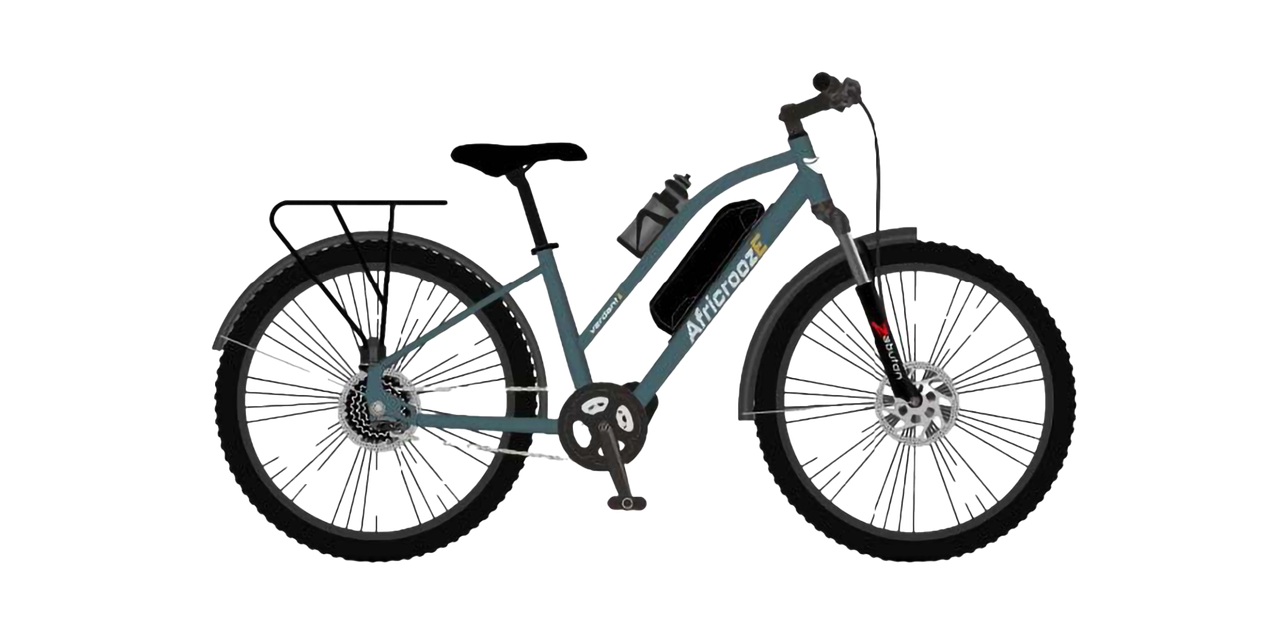
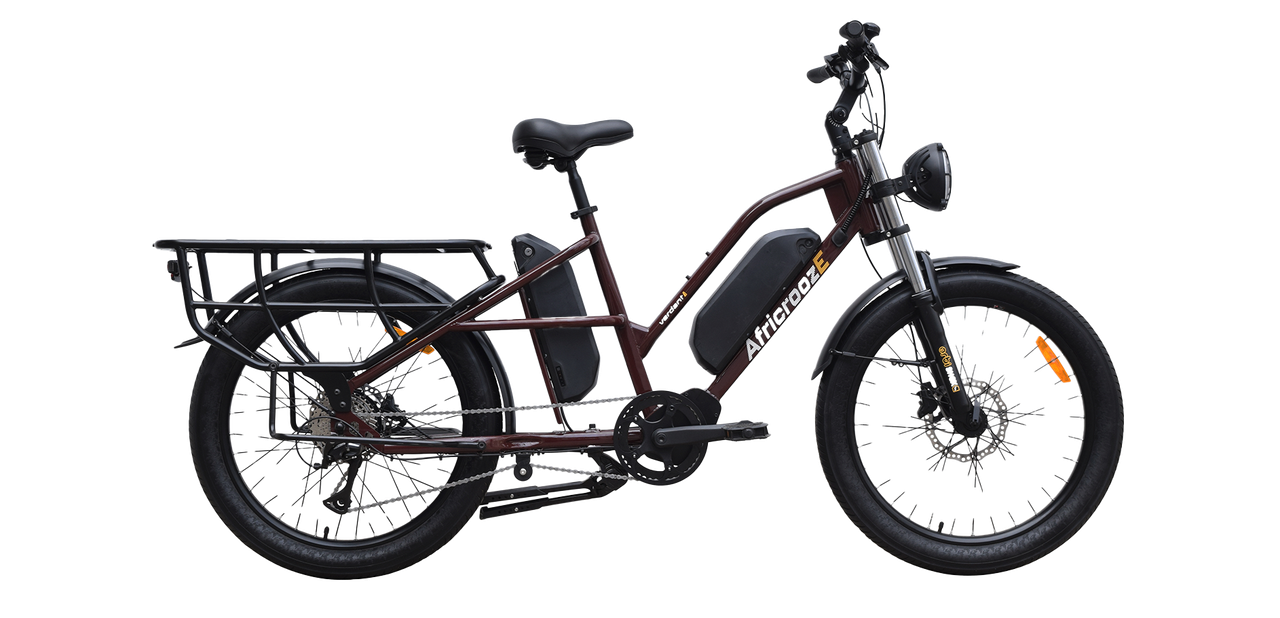
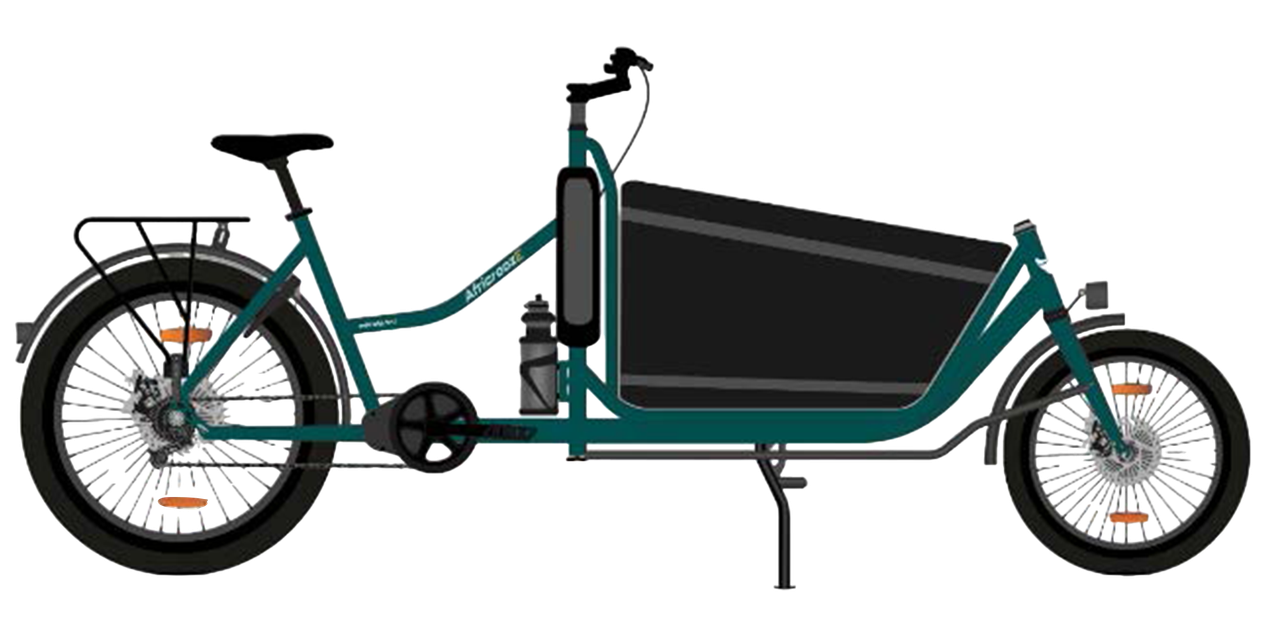
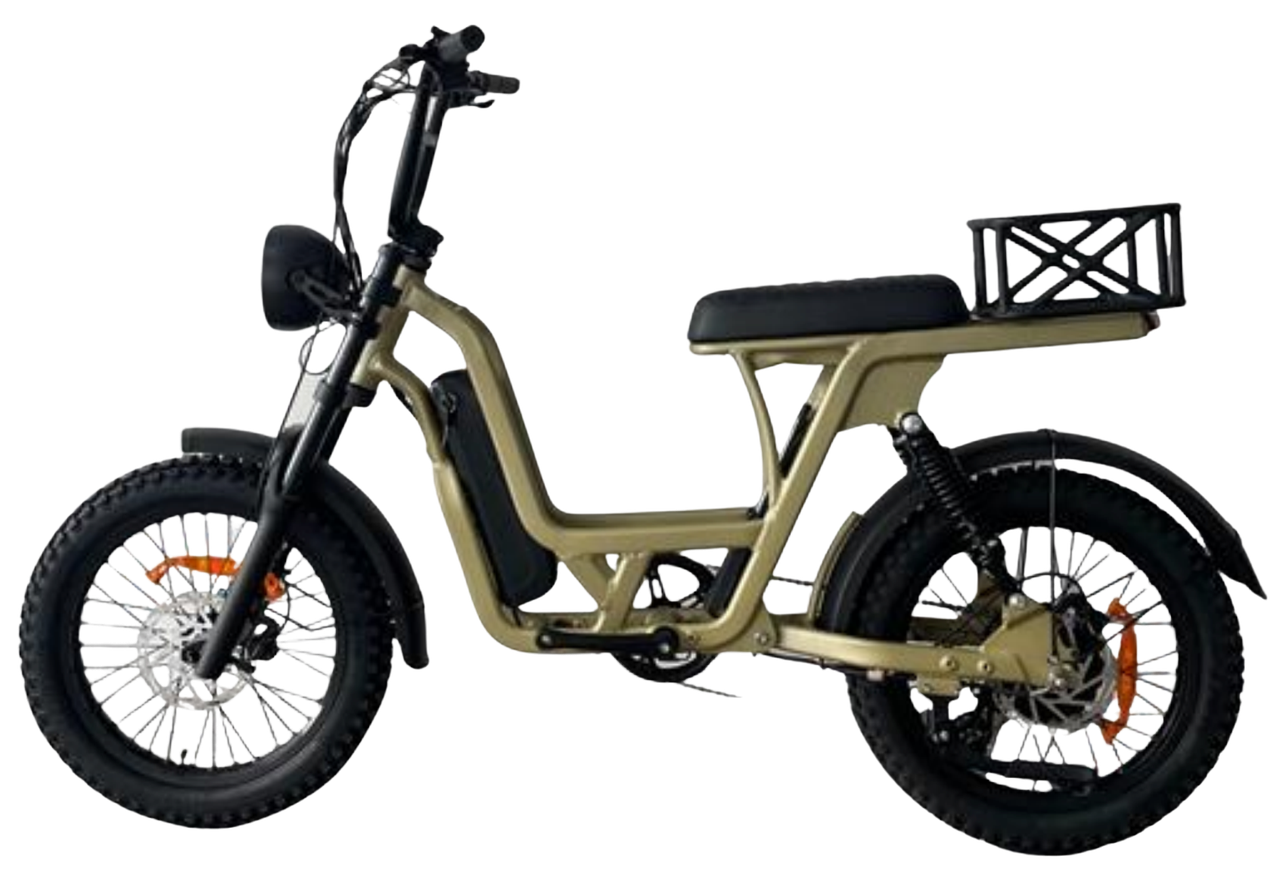
Africooze offers four main e-bike models, each designed for specific use cases in the Nigerian market.
4.1 Product Line Summary
| Model | Primary Use | Battery Options | Best For |
|---|---|---|---|
| Commuter | Daily commuting | Single battery | Urban professionals, students, campus mobility |
| Allrounder | Multi-purpose cargo | Single or dual battery | Traders, SMEs, light delivery, families |
| Cargo (Long John) | Heavy logistics | Dual battery | Last-mile delivery, goods transport, logistics companies |
| BushBike | Rural mobility | Single battery | Farmers, rural communities, NGOs |
4.2 Product Positioning
| Model | Market Position | Competitive Advantage |
|---|---|---|
| Commuter | Affordable entry point | Rugged design, low maintenance |
| Allrounder | Best-selling workhorse | 100kg cargo capacity, dual battery option |
| Cargo | Premium logistics solution | 100kg front cargo, dual battery standard |
| BushBike | Niche rural solution | Off-road capable, rugged construction |
Product Specifications & Technical Details
5.1 The Commuter
| Specification | Details |
|---|---|
| Model Name | Commuter (E-MTB) |
| Frame | Steel frame, hybrid design |
| Motor | 48V 350W Motinova geared rear hub motor |
| Battery Options | Single battery only |
| Battery Type | 48V 13Ah or 15.9Ah (DMEGC NMC or Panasonic cells) |
| Max Speed | 25–32 km/h |
| Range | 40–50 km per charge |
| Pedal Assist | Cadence sensor |
| Brakes | Mechanical disc brakes |
| Gears | 7 speed |
| Tires | 26" x 2.35" puncture-resistant |
| Weight Limit | Rider + 15kg on carrier |
| Best For | Daily commuting, campus transport, short trips |
5.2 The Allrounder
| Specification | Details |
|---|---|
| Model Name | Allrounder (Long Tail Cargo) |
| Frame | Long tail steel frame, low step-over |
| Motor | 48V 500W Motinova geared rear hub motor |
| Battery Options | Single or dual battery |
| Battery Type | 48V 15.9Ah (Panasonic) or 13Ah (DMEGC) |
| Max Speed | 25–32 km/h |
| Range (Single Battery) | 30–50 km |
| Range (Dual Battery) | 60–100 km |
| Pedal Assist | Torque sensor |
| Brakes | Hydraulic disc brakes with kill switch |
| Gears | 7 speed |
| Tires | 24" x 2.40" puncture-proof |
| Cargo Capacity | 100kg on rear carrier |
| Best For | Traders, SMEs, light delivery, multi-purpose use |
5.3 The Cargo (Long John)
| Specification | Details |
|---|---|
| Model Name | AfricroozE Cargo (Long John) |
| Frame | Long John-style steel frame |
| Motor | 48V 500W Motinova geared rear hub motor |
| Battery Configuration | Dual battery system (standard) |
| Battery Type | 2 x 48V 15.9Ah or 13Ah |
| Max Speed | 25–32 km/h |
| Range | 70–100 km on two batteries |
| Pedal Assist | Torque sensor |
| Brakes | Hydraulic disc brakes with kill switch |
| Gears | 7 speed |
| Tires | Front: 20" x 1.75", Rear: 26" x 1.75" |
| Cargo Capacity | 100kg on front carrier |
| Best For | Last-mile delivery, logistics companies, heavy goods |
5.4 The BushBike (Coming Soon)
| Specification | Details |
|---|---|
| Model Name | African BushBike |
| Frame | Dual crown suspension, 20-inch |
| Motor | 48V 500W Motinova geared rear hub motor |
| Battery Options | Single or dual battery |
| Battery Type | 48V 15.9Ah or 13Ah |
| Max Speed | 25–32 km/h |
| Range (Single Battery) | 30–40 km |
| Range (Dual Battery) | 60–80 km |
| Pedal Assist | Torque sensor |
| Brakes | Hydraulic disc brakes with kill switch |
| Gears | 7 speed |
| Tires | Off-road configuration |
| Weight Limit | Rider + 75kg (passenger/cargo) |
| Best For | Farmers, rural communities, NGOs, off-road use |
Battery Configurations & Performance Analysis
Understanding battery configurations is critical for customer decision-making.
6.1 Battery Options Overview
| Battery Type | Cells | Life Cycles | Best For |
|---|---|---|---|
| Standard Battery | DMEGC NMC | 1000 cycles | Commuters, private users, predictable usage |
| Premium Battery | Panasonic NCA | 2000 cycles | Commercial users, delivery, high-usage environments |
6.2 Performance by Configuration
| Model | Configuration | Range | Charging Time | Best Use Case |
|---|---|---|---|---|
| Commuter | Single battery only | 40–50 km | 4–5 hours | Daily commuting, short trips |
| Allrounder | Single battery | 30–50 km | 4–5 hours | Light trader use, short delivery |
| Allrounder | Dual battery | 60–100 km | 8–10 hours | Full-day trading, longer delivery |
| Cargo | Dual battery (standard) | 70–100 km | 8–10 hours | Heavy logistics, all-day operations |
| BushBike | Single battery | 30–40 km | 4–5 hours | Farm use, rural mobility |
| BushBike | Dual battery | 60–80 km | 8–10 hours | Extended rural operations |
6.3 Battery Pricing Structure
Note: Assumed figures shown. Actual figures to be inserted when confirmed.
| Item | Assumed Price (₦) | Actual Price (₦) |
|---|---|---|
| Standard Battery (13Ah) | [Assumed] | |
| Premium Battery (15.9Ah) | [Assumed] | |
| Additional Spare Battery | [Assumed] | |
| Battery Charger | [Assumed] |
6.4 Battery Lifecycle Considerations
| Factor | Standard Battery | Premium Battery |
|---|---|---|
| Cycle Life (80% DoD) | 1000 cycles | 2000 cycles |
| Estimated Years (Daily Use) | 2–3 years | 4–5 years |
| Replacement Cost | Lower | Higher |
| Total Cost of Ownership | Higher (more replacements) | Lower (longer life) |
Market Analysis Summary
Based on Deliverable 1: Comprehensive Market & Feasibility Study
7.1 Key Market Findings
| Finding | Implication |
|---|---|
| Nigeria population: 216+ million | Large addressable market |
| Informal workforce: 77.6 million | Massive need for affordable transport |
| Petrol price: ₦1,037+ per litre | Strong economic case for electric |
| E-bikes already sold on Jumia/Konga | Market awareness exists |
| MHY E-Bikes active in Kano since 2020 | Northern market proven |
| MAX and Spiro operating in Nigeria | Competitors validate market |
7.2 Market Gap Identified
| Current Focus of Competitors | Opportunity for Africooze |
|---|---|
| Passenger motorcycles (okada) | Cargo e-bikes underserved |
| Ride-hailing focus | Trader/logistics focus open |
| Limited Northern presence | Strong Northern entry strategy |
7.3 State-by-State Opportunity
| Tier | States | Strategy |
|---|---|---|
| Tier 1 | Kano, Abuja/FCT, Bauchi | First-wave entry |
| Tier 2 | Kaduna, Gombe | Controlled expansion |
| Tier 3 | Katsina, Adamawa | Selective entry after screening |
| Avoid Initially | Borno, Yobe | Not for phase one |
Target Customer Segments
8.1 Priority Customer Segments
| Priority | Segment | Description | Best Model |
|---|---|---|---|
| 1 | Logistics & Delivery Companies | Last-mile delivery, courier services, food delivery | Cargo, Allrounder |
| 2 | SME Traders & Business Owners | Market traders, shop owners, wholesalers | Allrounder |
| 3 | Campuses & Institutions | Universities, polytechnics, large estates, hospitals | Commuter, Allrounder |
| 4 | Farmers & Agri-Users | Smallholder farmers, cooperatives | BushBike, Allrounder |
| 5 | Government & NGOs | Youth employment, health access, rural mobility | All models |
| 6 | Vetted Private Buyers | Professionals, individuals seeking fuel alternatives | Commuter |
8.2 Customer Profile: Logistics Companies
| Attribute | Description |
|---|---|
| Who They Are | Last-mile delivery operators, food delivery platforms, courier services |
| Pain Points | High fuel costs, vehicle maintenance, fleet management |
| Needs | Durable, low-cost, high-capacity bikes with service support |
| Decision Drivers | Total cost of ownership, reliability, after-sales support |
| Purchase Pattern | Fleet buyers, repeat orders |
| Best Model | Cargo (heavy), Allrounder (medium) |
8.3 Customer Profile: SME Traders
| Attribute | Description |
|---|---|
| Who They Are | Market traders, shop owners, wholesalers, artisans |
| Pain Points | Transport costs for goods, business mobility |
| Needs | Cargo capacity, durability, low operating cost |
| Decision Drivers | Price, cargo capacity, fuel savings |
| Purchase Pattern | Individual or small group purchases |
| Best Model | Allrounder |
8.4 Customer Profile: Campuses & Institutions
| Attribute | Description |
|---|---|
| Who They Are | Universities, polytechnics, large estates, hospitals |
| Pain Points | Internal transport, security patrols, maintenance needs |
| Needs | Reliable, low-maintenance bikes for controlled environment |
| Decision Drivers | Service contract, demonstration, institutional credibility |
| Purchase Pattern | Procurement process, budget cycles |
| Best Model | Commuter, Allrounder |
8.5 Customer Profile: Farmers & Agri-Users
| Attribute | Description |
|---|---|
| Who They Are | Smallholder farmers, agricultural cooperatives |
| Pain Points | Moving between farms, transporting produce |
| Needs | Rugged, off-road capable, load-carrying bikes |
| Decision Drivers | Durability, local service access |
| Purchase Pattern | Cooperative purchases, NGO programs |
| Best Model | BushBike (coming soon), Allrounder |
Business Models
Africooze Nigeria will operate multiple business models to maximize market reach and revenue streams.
9.1 Business Model Overview
| Model | Description | Revenue Stream |
|---|---|---|
| Model A: Direct Sales | Sell bikes outright to customers | One-time sales revenue |
| Model B: Lease-to-Own | Payment plan with ownership transfer | Installment payments + interest |
| Model C: Fleet Operations | Company-owned bikes for delivery services | Service fees, delivery income |
| Model D: Rental | Short-term bike rental (hourly/daily) | Rental fees |
| Model E: Service & Parts | Maintenance, repairs, spare parts sales | Service revenue, parts sales |
| Model F: Battery Services | Battery charging and swap stations | Subscription or per-use fees |
9.2 Model A: Direct Sales
| Element | Description |
|---|---|
| Target Customers | Businesses, institutions, vetted individuals |
| Payment | Full payment upfront or financing through partners |
| Advantages | Immediate revenue, no fleet management cost |
| Requirements | Service network, spare parts availability |
| Risk Level | Low (no asset ownership after sale) |
9.3 Model B: Lease-to-Own
| Element | Description |
|---|---|
| Target Customers | Trusted operators with KYC verification |
| Structure | Down payment + monthly installments over 12–24 months |
| Ownership | Transfers to customer after final payment |
| Advantages | Makes bikes affordable, builds customer base |
| Requirements | KYC, tracking, payment collection system |
| Risk Level | Moderate (requires monitoring) |
9.4 Model C: Fleet Operations
| Element | Description |
|---|---|
| Target Customers | E-commerce platforms, delivery apps, direct consumers |
| Structure | Company owns bikes, hires riders, provides delivery services |
| Revenue | Delivery fees, partnership commissions |
| Advantages | Recurring revenue, full asset control |
| Requirements | Riders, logistics management, insurance |
| Risk Level | Moderate (operational management) |
9.5 Model D: Rental
| Element | Description |
|---|---|
| Target Customers | Short-term users, students, temporary needs |
| Structure | Hourly, daily, or weekly rental |
| Revenue | Rental fees |
| Advantages | High utilization, serves occasional users |
| Requirements | Rental tracking, deposit system, insurance |
| Risk Level | Moderate (asset wear, theft risk) |
9.6 Model E: Service & Parts
| Element | Description |
|---|---|
| Target Customers | All bike owners (Africooze and potentially other brands) |
| Services | Repairs, maintenance, diagnostics, parts sales |
| Revenue | Service fees, parts markup |
| Advantages | Recurring revenue, builds customer loyalty |
| Requirements | Trained technicians, workshop, parts inventory |
| Risk Level | Low |
9.7 Model F: Battery Services
| Element | Description |
|---|---|
| Target Customers | Commercial users, delivery riders, fleet operators |
| Services | Battery charging, battery swap |
| Revenue | Subscription fees, per-swap fees |
| Advantages | Solves range anxiety, recurring revenue |
| Requirements | Swap stations, battery inventory, management system |
| Risk Level | Moderate (infrastructure investment) |
Logistics Operations Model
This is a significant opportunity beyond pure bike sales.
10.1 The Opportunity
| Market Reality | Opportunity |
|---|---|
| E-commerce growing in Northern Nigeria | Delivery capacity needed |
| Delivery apps struggle with fleet costs | Affordable electric fleet solution |
| Many startups fail due to logistics | Partnership model creates mutual success |
10.2 Logistics Fleet Structure
| Component | Description |
|---|---|
| Fleet Owner | Africooze Nigeria (company-owned bikes) |
| Riders | Employed or contracted riders |
| Customers | E-commerce platforms, delivery apps, direct clients |
| Services | Last-mile delivery, food delivery, courier services |
| Pricing | Per-delivery fee, hourly rate, partnership commission |
10.3 Fleet Operations Workflow
Workflow Steps
- Partnership Agreement with delivery platform
- Order Received via platform or direct
- Rider Assigned from available fleet
- Pickup & Delivery completed
- Payment Processed (platform pays Africooze)
- Rider Compensated (salary or per-delivery)
10.4 Target Partnerships
| Partner Type | Examples | Opportunity |
|---|---|---|
| Food Delivery | Chowdeck, Glovo, Bolt Food | Provide delivery fleet |
| E-Commerce | Jumia, Konga, PayPorte | Last-mile delivery |
| Online Supermarkets | PricePally, BuyCo Africa | Grocery delivery |
| Pharmacies | Health delivery services | Medicine delivery |
| Local Businesses | Restaurants, shops | Direct delivery contracts |
10.5 Fleet Economics
Note: Assumed figures shown. Actual figures to be confirmed.
| Item | Assumed Value |
|---|---|
| Bike Cost (Cargo Model) | [Assumed] |
| Rider Daily Revenue | [Assumed] |
| Rider Monthly Revenue | [Assumed] |
| Operating Costs (maintenance, charging) | [Assumed] |
| Profit Per Bike Per Month | [Assumed] |
| Fleet Size Target (Year 1) | 20–30 bikes |
| Fleet Size Target (Year 3) | 100+ bikes |
Importation & Supply Chain Strategy
11.1 Importation Scenarios
Two scenarios must be considered:
Scenario 1: Container Importation (Bulk)
| Model | Estimated Units per 20ft Container | Estimated Units per 40ft Container |
|---|---|---|
| Commuter | 40–50 units | 90–110 units |
| Allrounder | 35–45 units | 80–100 units |
| Cargo | 25–35 units | 60–80 units |
| BushBike | 35–45 units | 80–100 units |
Scenario 2: Mixed Container
| Configuration | Units | Purpose |
|---|---|---|
| Mixed models | 40–60 units | Pilot inventory, market testing |
11.2 Container Cost Breakdown
Note: Assumed figures shown. Actual figures to be inserted when confirmed.
| Item | Assumed Cost (₦) | Actual Cost (₦) |
|---|---|---|
| Container FOB Price (Germany) | [Assumed] | |
| Shipping & Insurance | [Assumed] | |
| Nigerian Import Duty | [Assumed] | |
| Clearing & Port Charges | [Assumed] | |
| Inland Transport (to Kano/Abuja) | [Assumed] | |
| Total Landed Cost | [Assumed] |
11.3 Per-Unit Cost Calculation
| Model | Assumed Landed Cost (₦) | Actual Landed Cost (₦) |
|---|---|---|
| Commuter | [Assumed] | |
| Allrounder | [Assumed] | |
| Cargo | [Assumed] | |
| BushBike | [Assumed] |
11.4 Individual Unit Importation
For smaller orders or urgent needs:
| Item | Assumed Cost (₦) | Actual Cost (₦) |
|---|---|---|
| Single Bike (any model) | [Assumed] | |
| Single Battery (standard) | [Assumed] | |
| Single Battery (premium) | [Assumed] | |
| Battery Charger | [Assumed] | |
| Spare Parts Kit | [Assumed] |
11.5 Supply Chain Timeline
| Stage | Timeline |
|---|---|
| Order Placed | Week 1 |
| Manufacturing/Preparation | Weeks 2–4 |
| Shipping (Germany to Nigeria) | Weeks 5–8 |
| Customs Clearance | Weeks 9–10 |
| Inland Transport | Week 11 |
| Available for Sale | Week 12 |
Pricing Strategy
12.1 Pricing Principles
| Principle | Application |
|---|---|
| Competitive Positioning | Price below total cost of petrol bike ownership |
| Value-Based | Higher price for dual battery, premium features |
| Segment-Based | Different pricing for different customer segments |
| Flexible | Room for negotiation on fleet orders |
12.2 Pricing Table by Model
Note: All figures are assumptions. Actual figures to be inserted when confirmed.
| Model | Configuration | Assumed Cost Price (₦) | Actual Cost Price (₦) | Assumed Selling Price (₦) | Actual Selling Price (₦) |
|---|---|---|---|---|---|
| Commuter | Single battery (standard) | [Assumed] | [Assumed] | ||
| Commuter | Single battery (premium) | [Assumed] | [Assumed] | ||
| Allrounder | Single battery (standard) | [Assumed] | [Assumed] | ||
| Allrounder | Dual battery (standard) | [Assumed] | [Assumed] | ||
| Allrounder | Dual battery (premium) | [Assumed] | [Assumed] | ||
| Cargo | Dual battery (standard) | [Assumed] | [Assumed] | ||
| Cargo | Dual battery (premium) | [Assumed] | [Assumed] | ||
| BushBike | Single battery (standard) | [Assumed] | [Assumed] | ||
| BushBike | Dual battery (standard) | [Assumed] | [Assumed] |
12.3 Spare Parts Pricing
| Part | Assumed Price (₦) | Actual Price (₦) |
|---|---|---|
| Standard Battery (13Ah) | [Assumed] | |
| Premium Battery (15.9Ah) | [Assumed] | |
| Battery Charger | [Assumed] | |
| Motor (500W) | [Assumed] | |
| Controller | [Assumed] | |
| Display Unit | [Assumed] | |
| Brake Set (hydraulic) | [Assumed] | |
| Tire (puncture-proof) | [Assumed] | |
| Tube | [Assumed] | |
| Chain | [Assumed] |
12.4 Fleet Partnership Pricing
| Model | Pricing Structure |
|---|---|
| Revenue Share | Percentage of delivery fees |
| Per-Delivery Fee | Fixed amount per successful delivery |
| Daily Rental | Fixed daily rate for bike + rider |
| Monthly Subscription | Flat monthly fee for dedicated fleet |
Charging Infrastructure Plan
13.1 Charging Options Overview
| Charging Type | Description | Best For |
|---|---|---|
| Home Charging | Rider charges at home using standard outlet | Individual owners, small-scale |
| Workshop Charging | Central location for charging multiple bikes | Fleet operators, maintenance hubs |
| Battery Swap Stations | Exchange depleted battery for charged one | High-usage, commercial operations |
13.2 Home Charging
| Aspect | Details |
|---|---|
| Requirements | Standard electrical outlet (220V) |
| Charging Time | 4–5 hours (single battery), 8–10 hours (dual) |
| Cost to User | Included in home electricity bill |
| Best For | Individual owners, commuters, light users |
13.3 Workshop Charging
| Aspect | Details |
|---|---|
| Location | Service centers in Kano, Abuja, Bauchi |
| Capacity | Multiple bikes charging simultaneously |
| Charging Management | Scheduled charging, battery rotation |
| Best For | Fleet bikes, customer bikes during service |
13.4 Battery Swap Stations
This is the most scalable solution for commercial operations.
Station Components
| Component | Purpose |
|---|---|
| Charging Racks | Charge multiple batteries simultaneously |
| Battery Inventory | Stock of fully charged batteries |
| Swap Counter | Customer service point |
| Payment System | Process swap fees or subscriptions |
| Management Software | Track battery usage, health, cycles |
Swap Station Workflow
Step-by-Step Process
- Rider Arrives at swap station
- Depleted Battery Removed from bike
- Battery Inspected for damage or issues
- Fully Charged Battery Installed in bike
- Payment Processed (per swap or subscription)
- Rider Departs with minimal downtime
Station Location Strategy
| Priority Locations | Rationale | |
|---|---|---|
| Phase 1 | Kano (commercial areas), Abuja (logistics hubs) | |
| Phase 2 | Bauchi, Kaduna | |
| Phase 3 | Gombe, Katsina (selective) |
13.5 Battery Swap Pricing Models
| Model | Description |
|---|---|
| Pay-Per-Swap | Customer pays fixed fee per battery exchange |
| Monthly Subscription | Unlimited swaps for flat monthly fee |
| Fleet Package | Negotiated rate for commercial fleet operators |
Service & Maintenance Ecosystem
Long-term success depends on reliable after-sales support.
14.1 Service Center Requirements
| Requirement | Details |
|---|---|
| Location | Accessible to customers, secure premises |
| Space | Enough for multiple bikes, parts storage, waiting area |
| Equipment | Diagnostic tools (Motinova MLD4), standard tools, lifts |
| Power | Reliable electricity for charging and diagnostics |
| Staff | Trained technicians, customer service |
14.2 Diagnostic Capabilities
Using the Motinova MLD4 Linkage Device, technicians can:
| Capability | Benefit |
|---|---|
| Custom Configuration | Adjust power assist, customize riding styles |
| Firmware Updates | Keep drive units up-to-date remotely |
| Cloud Diagnostics | Check faults, upload service images, pull logs |
| Battery Health Analysis | Monitor battery cycles, predict replacement needs |
14.3 Service Offerings
| Service | Description |
|---|---|
| Routine Maintenance | Brake adjustment, tire pressure, chain lubrication |
| Battery Diagnostics | Health check, cycle count, performance test |
| Motor Service | Inspection, repair, replacement |
| Controller Diagnostics | Fault checking, reprogramming |
| Display Replacement | Fix or replace faulty displays |
| General Repairs | Brakes, gears, tires, cables |
| Emergency Recovery | On-road assistance (future phase) |
14.4 Technician Training Program
| Element | Description |
|---|---|
| Training Provider | Master technician (initial), then train-the-trainer |
| Curriculum | Bike mechanics, electrical systems, battery safety, diagnostics |
| Certification | Certified Africooze technician status |
| Ongoing Support | Remote diagnostics support, refresher training |
| Target | 5–10 trained technicians in Year 1, 20+ by Year 3 |
14.5 Service Pricing Structure
Note: Assumed figures. Actual to be confirmed.
| Service | Assumed Price (₦) |
|---|---|
| Routine Service (basic) | [Assumed] |
| Battery Diagnostic | [Assumed] |
| Brake Replacement | [Assumed] |
| Tire Replacement | [Assumed] |
| Full Bike Service | [Assumed] |
| Emergency Call-Out | [Assumed] |
Spare Parts Management
15.1 Critical Spare Parts Inventory
| Category | Parts | Minimum Stock Level |
|---|---|---|
| Batteries | Standard (13Ah), Premium (15.9Ah) | 10–20 units |
| Motors | 350W, 500W | 5–10 units |
| Controllers | 48V UART | 10 units |
| Displays | Digiwise L182, other models | 10 units |
| Brakes | Hydraulic sets, pads | 20+ sets |
| Tires | All sizes (24", 26", 20") | 20+ units |
| Tubes | All sizes | 50+ units |
| Chargers | 54.6V 2A | 10–15 units |
| Cables | Brake cables, shifter cables | Various |
| Consumables | Brake pads, chain, spokes | Bulk |
15.2 Spare Parts Sourcing
| Source | Advantages | Challenges |
|---|---|---|
| Direct from AfricroozE (Germany) | Genuine parts, warranty | Longer lead time, shipping cost |
| Local Stock (initial import) | Immediate availability | Requires upfront investment |
| Regional Suppliers | Potentially faster | Quality verification needed |
15.3 Recommended Initial Spare Parts Order
| Part | Quantity | Purpose |
|---|---|---|
| Standard Batteries | 10 units | Replacements, swaps |
| Premium Batteries | 5 units | Commercial customer support |
| Chargers | 10 units | Customer sales, replacements |
| Motors (500W) | 3 units | Cargo/Allrounder support |
| Controllers | 5 units | Common failure point |
| Displays | 5 units | Common failure point |
| Brake Pads (sets) | 20 sets | High-wear item |
| Tires (popular sizes) | 20 units | High-wear item |
| Tubes | 50 units | Very high-wear item |
15.4 Parts Pricing Strategy
| Part Type | Pricing Approach |
|---|---|
| Consumables (brake pads, tubes) | Competitive, small margin |
| Major Components (batteries, motors) | Higher margin, but fair |
| Warranty Replacements | Free within warranty period |
| Customer-Paid Repairs | Parts cost + labor |
Marketing & Sales Strategy
16.1 Marketing Principles
| Principle | Application |
|---|---|
| Proof Over Advertising | Demo rides, pilot projects, visible bikes |
| Partnership Credibility | Partner with known platforms |
| Word-of-Mouth | Satisfied customers are best marketing |
| Targeted Approach | Focus on high-potential segments first |
| Local Presence | Physical locations build trust |
16.2 Marketing Channels
| Channel | Purpose | Target Audience |
|---|---|---|
| Direct B2B Outreach | Pitch to logistics companies, institutions | Businesses, organizations |
| Demo Events | Let potential customers test bikes | All segments |
| Pilot Projects | Deploy bikes with partners for real-world proof | Logistics, campuses |
| Social Media | Facebook, WhatsApp, LinkedIn | General public, businesses |
| Partnership Announcements | Build credibility | All audiences |
| Service Hub Openings | Show commitment to after-sales | Local communities |
| Referral Program | Incentivize existing customers | All owners |
16.3 Sales Process
| Stage | Activities |
|---|---|
| 1. Lead Generation | B2B outreach, inbound inquiries, referrals |
| 2. Qualification | Identify needs, budget, decision timeline |
| 3. Demonstration | Test ride, explain benefits, show ROI |
| 4. Proposal | Quote, financing options, service agreement |
| 5. Negotiation | Fleet pricing, partnership terms |
| 6. Closing | Agreement signed, payment processed |
| 7. Onboarding | Bike delivery, training, service introduction |
| 8. Follow-Up | Check satisfaction, offer service, request referrals |
16.4 Marketing Collateral
| Material | Purpose |
|---|---|
| Brochure | Product overview, specifications |
| Price List | Transparent pricing by model |
| ROI Calculator | Show fuel savings, payback period |
| Case Studies | Success stories from pilot users |
| Video Content | Bikes in action, customer testimonials |
| Service Guide | Maintenance schedule, service options |
Partnership Opportunities
17.1 Partnership Categories
| Category | Potential Partners | Opportunity |
|---|---|---|
| E-Commerce Platforms | Jumia, Konga, PayPorte | Provide delivery fleet |
| Food Delivery Apps | Chowdeck, Glovo, Bolt Food | Last-mile delivery partnership |
| Logistics Companies | Local courier services | Fleet supply, partnership |
| Financial Institutions | Microfinance banks, fintechs | Customer financing |
| Government Agencies | Youth employment, agriculture, environment | Program partnerships |
| NGOs | Health access, rural development | Mobility program partnerships |
| Campuses | Universities, polytechnics | Campus mobility solutions |
| Corporate Clients | Companies with staff transport needs | Fleet sales |
17.2 E-Commerce & Delivery Partnership Model
| Element | Description |
|---|---|
| Partner Need | Reliable, affordable delivery capacity |
| Africooze Solution | Provide electric bikes and riders |
| Revenue Model | Per-delivery fee or revenue share |
| Partner Benefit | No fleet investment, lower delivery costs |
| Africooze Benefit | Recurring revenue, bike utilization |
How It Works:
Partnership Flow
- Africooze signs partnership agreement with delivery platform
- Africooze provides bikes and trained riders
- Platform sends delivery orders to Africooze fleet
- Riders complete deliveries
- Platform pays Africooze for completed deliveries
- Africooze pays riders (salary or per-delivery)
17.3 Financing Partnership Model
| Element | Description |
|---|---|
| Partner Need | Customer financing products |
| Africooze Need | Make bikes affordable to more customers |
| Partnership Structure | Bank/fintech provides loans, Africooze provides bikes |
| Customer Benefit | Spread cost over time |
| Partner Benefit | New loan customers, secured by asset |
17.4 Government & NGO Partnership Model
| Element | Description |
|---|---|
| Partner Need | Mobility solutions for programs |
| Africooze Solution | Provide bikes for health workers, farmers, youth |
| Funding Model | Partner purchases bikes, Africooze provides service |
| Social Impact | Job creation, rural access, clean transport |
Organizational Structure
18.1 Proposed Organizational Chart
18.2 Key Roles & Responsibilities
| Role | Responsibilities |
|---|---|
| Managing Director | Overall strategy, partnerships, government relations |
| Sales Manager | B2B sales, customer relationships, sales team management |
| Sales Team | Lead generation, demonstrations, closing sales |
| Operations Manager | Importation, workshop, fleet, service delivery |
| Workshop Manager | Technician supervision, service quality, parts inventory |
| Service Technicians | Bike maintenance, repairs, diagnostics |
| Riders | Delivery operations (fleet model) |
| Finance & Admin | Accounting, payroll, compliance, reporting |
18.3 Staffing Plan (Year 1)
| Position | Number | Location |
|---|---|---|
| Managing Director | 1 | Abuja/Kano |
| Sales Manager | 1 | Kano |
| Sales Representatives | 2 | Kano, Abuja |
| Operations Manager | 1 | Kano |
| Workshop Manager | 1 | Kano |
| Service Technicians | 2–3 | Kano, Abuja |
| Riders (Fleet) | 10–20 | Kano, Abuja |
| Finance/Admin Officer | 1 | Abuja |
| Total | 19–30 |
18.4 Training Requirements
| Role | Training Needed |
|---|---|
| Technicians | Bike mechanics, electrical systems, Motinova diagnostics |
| Sales Team | Product knowledge, customer needs, ROI calculations |
| Riders | Safe riding, battery care, customer service |
| Management | Business operations, partnership management |
Job Creation & Social Impact
19.1 Direct Employment Potential
| Role | Year 1 | Year 3 | Year 5 |
|---|---|---|---|
| Management & Admin | 3–4 | 5–6 | 8–10 |
| Sales Team | 3 | 5–7 | 10–12 |
| Technicians | 2–3 | 5–8 | 10–15 |
| Riders (Fleet) | 10–20 | 30–50 | 100+ |
| Battery Station Operators | 0 | 3–5 | 10–15 |
| Total Direct Jobs | 18–30 | 48–76 | 138–152+ |
19.2 Indirect Employment Impact
| Role | Description |
|---|---|
| Mechanics trained | Independent mechanics trained on e-bike repair |
| Local suppliers | Parts, accessories, services |
| Partner riders | Customers who buy bikes for their own delivery businesses |
| Battery swap entrepreneurs | Potential franchise model for swap stations |
19.3 Social Impact Areas
| Impact Area | Contribution |
|---|---|
| Youth Employment | Jobs for young people as riders, technicians |
| Women's Mobility | Affordable transport for women traders |
| Clean Transport | Reduced emissions vs petrol bikes |
| Rural Access | Mobility for farmers, health workers |
| Lower Transport Costs | More money stays with traders and families |
| E-Waste Management | Battery recycling programs (future) |
19.4 Government Alignment
This business aligns with several government priorities:
| Government Priority | How Africooze Contributes |
|---|---|
| Youth Employment | Creates jobs for young people |
| SME Support | Lowers transport costs for small businesses |
| Environmental Sustainability | Promotes clean energy transport |
| Rural Development | Provides mobility for rural communities |
| Local Manufacturing | Future local assembly potential |
Risk Management
20.1 Risk Assessment Matrix
| Risk Category | Risk | Likelihood | Impact | Mitigation |
|---|---|---|---|---|
| Regulatory | State motorcycle bans/restrictions | High | High | Focus on daytime, cargo, non-passenger use; screen states |
| Security | Theft, criminal misuse | Medium | High | GPS tracking, KYC, immobilizers |
| Security | Operating in high-risk areas | Medium | High | Avoid Borno, Yobe; controlled entry |
| Financial | Currency fluctuation (Naira devaluation) | High | Medium | Hedge, price in Naira with buffers |
| Financial | Actual import costs higher than assumed | Medium | High | Confirm actual pricing before large orders |
| Operational | Service capacity gaps | Medium | High | Train technicians, stock parts before sales |
| Operational | Battery supply/delays | Medium | Medium | Maintain buffer stock |
| Market | Slower than expected adoption | Medium | Medium | Focus on proven segments first |
| Technical | Battery performance issues | Low | Medium | Premium battery option, warranty |
| Technical | Diagnostic skill gaps | Low | Medium | Comprehensive training, remote support |
20.2 Detailed Risk Mitigation
Regulatory Risk
| Risk | Mitigation Strategy |
|---|---|
| State bans on motorcycles | Focus on Tier 1 states with manageable restrictions |
| Night riding bans | Design operations for daytime only |
| Changing regulations | Stay informed, engage with authorities |
| Electric-specific rules | Position as cargo/logistics, not passenger transport |
Security Risk
| Risk | Mitigation Strategy |
|---|---|
| Theft | GPS tracking on all bikes, immobilizer |
| Criminal misuse | KYC verification for all buyers |
| Banditry areas | Avoid high-risk states in phase one |
| Rider safety | Training, insurance, safe operating procedures |
Financial Risk
| Risk | Mitigation Strategy |
|---|---|
| Naira devaluation | Price with buffer, consider USD-linked pricing for large contracts |
| Import cost uncertainty | Confirm actual costs before committing to large orders |
| Slow sales | Start with B2B and partnerships, not mass retail |
| Payment defaults | Lease-to-own with tracking, repossession capability |
Operational Risk
| Risk | Mitigation Strategy |
|---|---|
| Service delays | Stock critical parts, train multiple technicians |
| Technician turnover | Continuous training, competitive pay |
| Parts availability | Maintain buffer stock, establish reliable supply chain |
| Rider management | Clear contracts, performance incentives |
Implementation Roadmap
21.1 Phase 1: Preparation (Months 1–3)
| Activity | Timeline | Responsibility |
|---|---|---|
| Company registration (Nigeria) | Month 1 | MD |
| Secure workshop locations (Kano, Abuja) | Month 1–2 | Operations Manager |
| Initial spare parts order | Month 1–2 | Operations Manager |
| Hire key staff (Sales, Operations) | Month 2 | MD |
| Technician training | Month 2–3 | Operations Manager |
| Develop marketing materials | Month 2–3 | Sales Manager |
| Partnership outreach (logistics, campuses) | Month 2–3 | Sales Manager |
21.2 Phase 2: Pilot & First Import (Months 4–6)
| Activity | Timeline | Responsibility |
|---|---|---|
| Place first container order | Month 4 | MD/Operations |
| Secure pilot partners | Month 4–5 | Sales Manager |
| Container arrival & clearance | Month 5–6 | Operations Manager |
| Workshop setup complete | Month 5 | Operations Manager |
| Pilot deployments begin | Month 6 | Operations/Sales |
| Gather pilot feedback | Month 6 | All |
21.3 Phase 3: Launch & Initial Sales (Months 7–12)
| Activity | Timeline | Responsibility |
|---|---|---|
| Official launch event | Month 7 | MD |
| Begin B2B sales outreach | Month 7–8 | Sales Team |
| Expand service capacity | Month 8–9 | Operations Manager |
| Sign first logistics partnerships | Month 8–10 | Sales Manager |
| Deploy fleet bikes (if applicable) | Month 9–12 | Operations Manager |
| Evaluate pilot results | Month 12 | All |
| Plan Phase 2 expansion (Kaduna, Gombe) | Month 12 | MD |
21.4 Phase 4: Expansion (Year 2)
| Activity | Timeline |
|---|---|
| Open Kaduna service presence | Year 2, Q1 |
| Open Gombe service presence | Year 2, Q2 |
| Expand fleet operations | Year 2, ongoing |
| Establish first battery swap stations | Year 2, Q3 |
| Train additional technicians | Year 2, ongoing |
| Explore government partnerships | Year 2, ongoing |
21.5 Phase 5: Scaling (Year 3)
| Activity | Timeline |
|---|---|
| Selective Tier 3 state entry | Year 3, Q1–2 |
| Local assembly feasibility study | Year 3, Q1 |
| Expand swap station network | Year 3, ongoing |
| Develop franchise model for service | Year 3, Q3–4 |
| Explore manufacturing partnerships | Year 3, Q4 |
Decision Framework
This business plan provides you, Yusuf, with the information needed to make informed decisions about your e-bike business.
22.1 Key Decisions to Make
| Decision Point | Options | Factors to Consider |
|---|---|---|
| Primary Business Focus | Pure sales, fleet operations, or hybrid | Capital, risk appetite, operational capacity |
| First-Wave State | Kano, Abuja, or Bauchi first | Proximity, partnerships, personal presence |
| Product Mix | Which models to import first | Target customers, capital, market testing |
| Investment Level | Container size, inventory level | Available capital, risk tolerance |
| Partnership Priority | Logistics, campuses, government | Network, expertise, timeline |
22.2 Decision Guide by Focus Area
If Your Focus is Logistics & Delivery
| Element | Recommendation |
|---|---|
| Primary Models | Cargo, Allrounder (dual battery) |
| First State | Kano (commercial hub) |
| Business Model | Fleet operations + B2B sales |
| Key Partnerships | Food delivery apps, e-commerce platforms |
| Investment Priority | Bikes, riders, swap stations |
If Your Focus is Campus & Institutional
| Element | Recommendation |
|---|---|
| Primary Models | Commuter, Allrounder |
| First State | Abuja (universities), Bauchi |
| Business Model | B2B sales, lease-to-own |
| Key Partnerships | Universities, polytechnics, estates |
| Investment Priority | Service capacity, demonstration units |
If Your Focus is Rural & Agricultural
| Element | Recommendation |
|---|---|
| Primary Models | BushBike (when available), Allrounder |
| First State | Bauchi, Gombe |
| Business Model | Partnerships with NGOs, cooperatives |
| Key Partnerships | Agricultural programs, NGOs |
| Investment Priority | Durability, rural service access |
If Your Focus is Retail Sales
| Element | Recommendation |
|---|---|
| Primary Models | All models, test market mix |
| First State | Kano (existing market), Abuja (visibility) |
| Business Model | Direct sales, lease-to-own |
| Key Requirements | Showroom, service center, marketing |
| Investment Priority | Inventory, marketing, service |
Conclusion
23.1 Summary of Opportunity
Nigeria presents a genuine and timely opportunity for Africooze e-bikes.
| Opportunity Factor | Status |
|---|---|
| Market Demand | ✓ Confirmed — active sales, rising fuel costs |
| Product Fit | ✓ Strong — models match Nigerian needs |
| Competition | ✓ Open space for cargo e-bikes |
| Regulatory | ⚠ Manageable with right state selection |
| Security | ⚠ Controllable with KYC and tracking |
| Timing | ✓ Favorable — fuel prices driving change |
23.2 Critical Success Factors
Keys to Success
- Start with the right states – Kano, Abuja, Bauchi first
- Target the right customers – Logistics, traders, institutions
- Build service before sales – Workshops, parts, trained technicians
- Control security risks – KYC, GPS tracking on all bikes
- Partner strategically – E-commerce platforms, delivery apps, government
- Remain flexible – Adjust based on actual data when received
23.3 Next Steps
| Step | Action |
|---|---|
| 1 | Confirm actual pricing and import costs from AfricroozE GmbH |
| 2 | Insert actual figures into this business plan |
| 3 | Proceed to Deliverable 3 (Financial Projections) with confirmed numbers |
| 4 | Develop Deliverable 4 (Brand Positioning & Go-To-Market Strategy) |
| 5 | Begin Phase 1 preparation activities |
23.4 Final Word
The Nigerian e-bike market is real, active, and growing. Customers are already buying. Fuel costs are driving change. The cargo e-bike segment is underserved.
Africooze has the right products, the right design philosophy, and the right social enterprise background to succeed in Nigeria.
But success will not come from simply showing up.
It will come from:
- Entering the right way
- Starting with the right states
- Targeting the right customers
- Building service capacity first
- Controlling security risks
- Partnering strategically
This business plan provides the roadmap. The rest is execution.
End of Deliverable 2: Master Business Plan