Africooze E-Bike
Business Plan in Nigeria
Comprehensive Market & Feasibility Study
Abubakar Mohammed Hassan (Alishel)
Business & Technology Consultant
Abuja, Nigeria
Phone: 08061602460
Yusuf Gamawa
Abuja, Nigeria
Phone: 08069638196
Table of Contents
Executive Summary
This first deliverable answers one question: Should Africooze enter Nigeria, and if yes, how should it enter?
After thorough research and primary market intelligence from Northern Nigeria, my conclusion is clear:
However, success will not come from a loose nationwide launch. It will come from a phased, controlled, and partnership-led entry that starts with the right states and the right customers.
| Key Finding | Summary |
|---|---|
| Market Readiness | Nigeria already has active e-bike sales, multiple competitors, and visible customer demand |
| Best Entry States | Kano, Abuja/FCT, and Bauchi offer the strongest first-wave opportunities |
| Priority Customers | Delivery companies, traders, SMEs, institutions, and government programs |
| Biggest Risk | State-level motorcycle restrictions and security concerns must shape the business model |
| Recommended Model | Hybrid approach: B2B sales + lease-to-own + fleet deployment + selective retail |
| States to Avoid Initially | Borno, Yobe, and areas with active full bans or high instability |
The Nigerian market is ready. The product fits. The timing is right due to rising fuel costs. But the entry strategy must be smartest, safest, and most scalable — not biggest.
This document provides the complete roadmap for that entry.
Purpose of This Study
This study was prepared to determine:
| Question | What We Needed to Answer |
|---|---|
| Market Viability | Is Nigeria commercially ready for Africooze? |
| State Selection | Which states are most suitable for first entry? |
| Customer Identification | Who will actually buy or use the bikes? |
| Demand Assessment | What demand already exists? |
| Competitor Analysis | Who else is operating in this space? |
| Risk Evaluation | What regulatory and security risks exist? |
| Entry Model | What model gives the best chance of success? |
There is no single reliable public statistic that tells us "X% of Nigerians have adopted e-bikes." The Nigerian market is still emerging and fragmented.
Because of this, this study uses:
- Visible market signals
- Competitor activity
- Price evidence
- State-level screening
- Primary market intelligence from Northern Nigeria
This approach is more honest and more useful than forcing artificial percentages.
About Africooze and Why It Fits Nigeria
3.1 Who is Africooze?
Africooze (AfricroozE GmbH) is an African-focused e-mobility company. It was developed through collaboration between:
- EURIST (European Institute for Sustainable Transport) — Germany
- FABIO (First African Bicycle Information Organisation) — Uganda
The company transitioned into a private limited company (AfricroozE GmbH) in 2023 to scale operations across Africa.
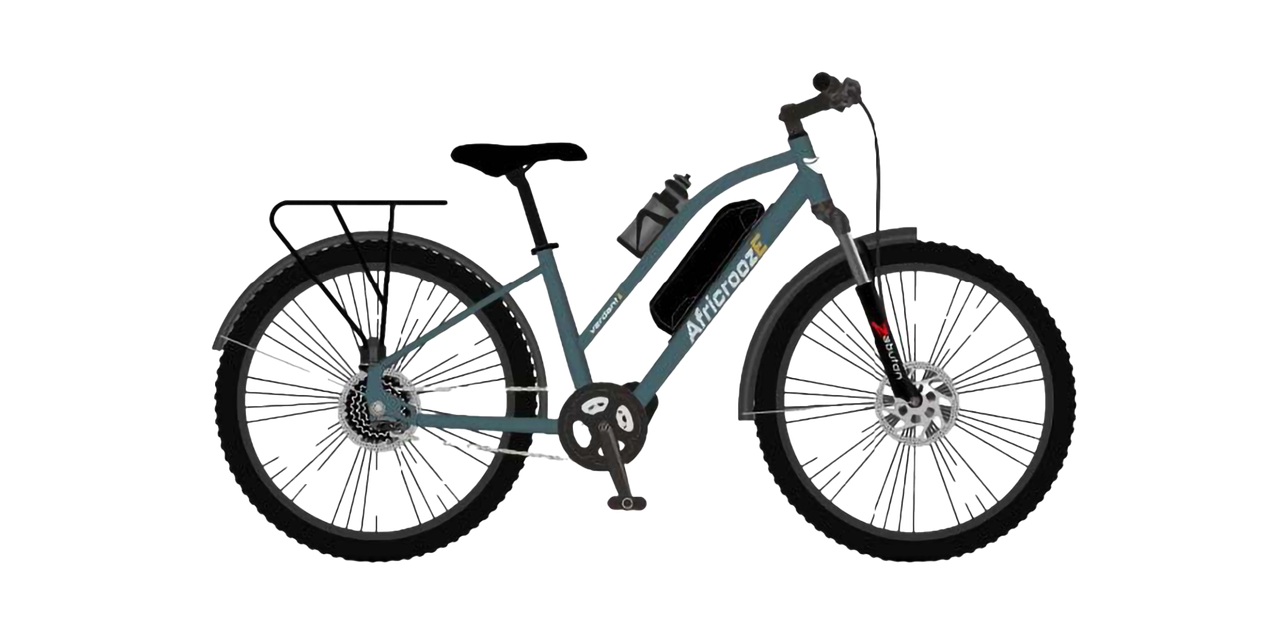
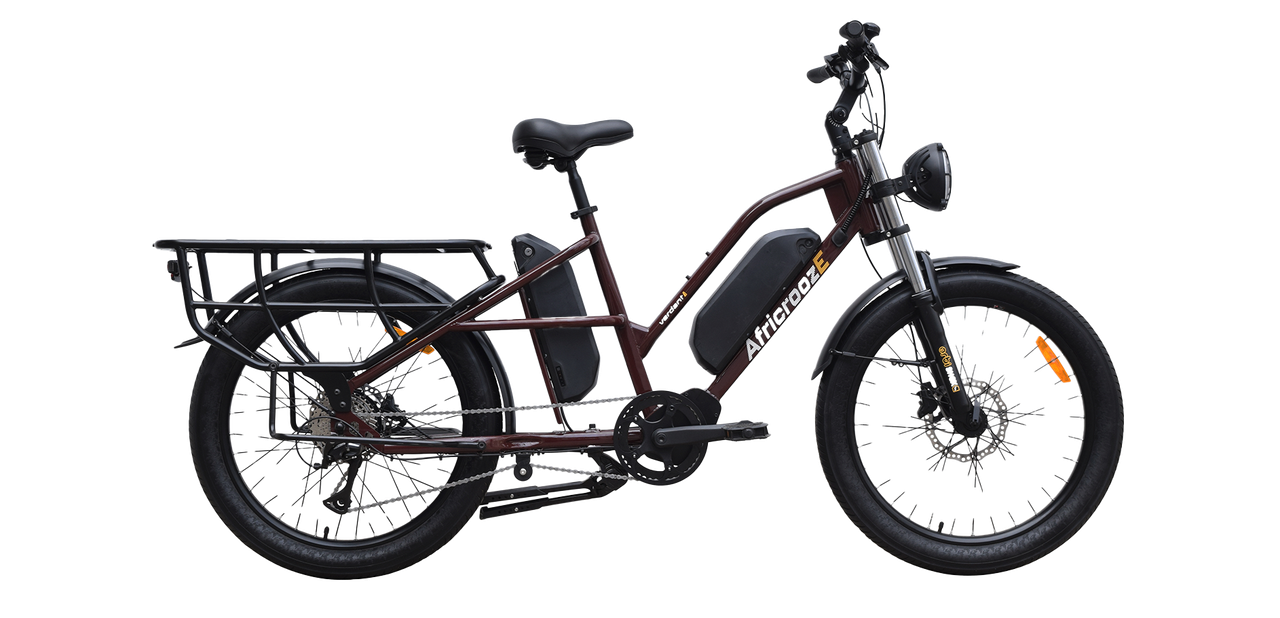
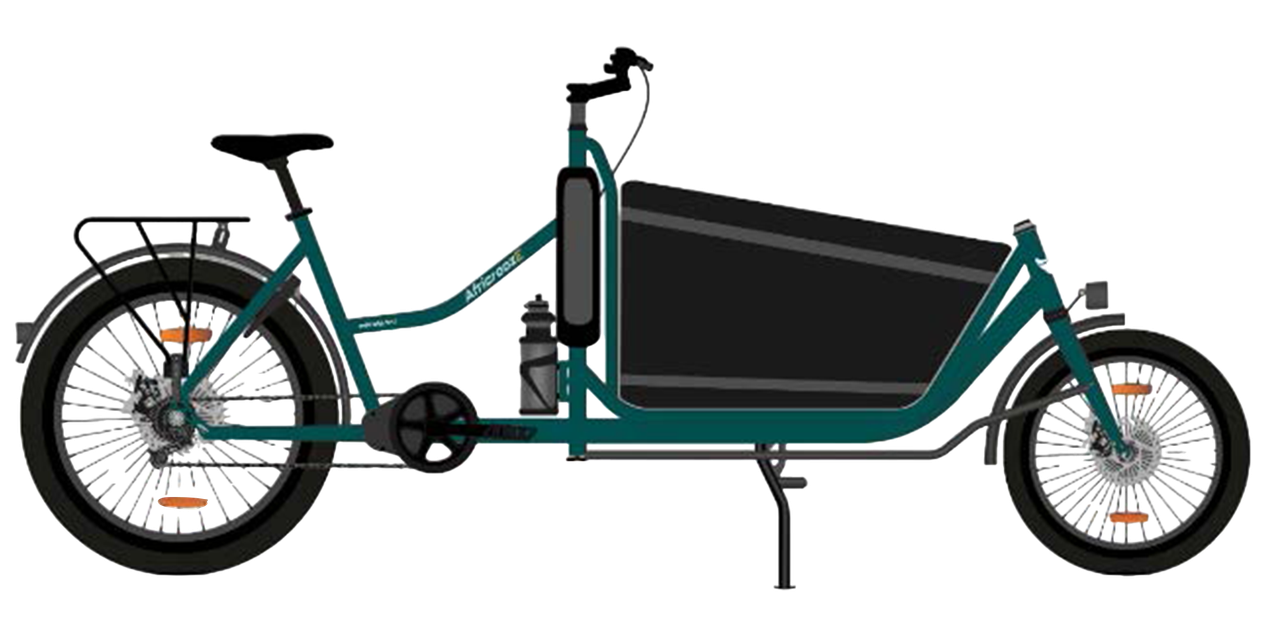
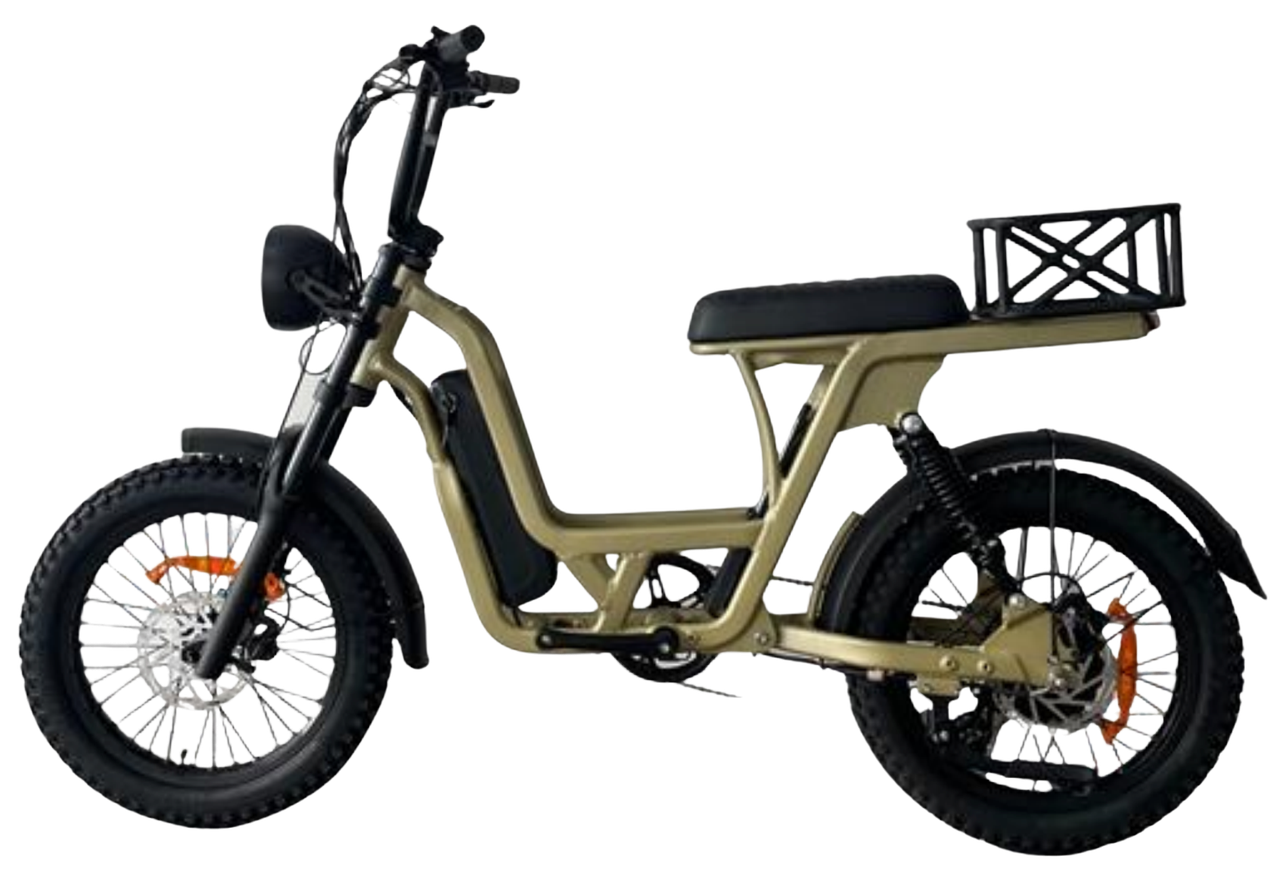
3.2 The Africooze Product Line
| Model | Purpose | Best For |
|---|---|---|
| Commuter | Daily commuting | Workers, students, urban professionals |
| Allrounder | Multi-purpose cargo | Traders, SMEs, small business owners |
| Cargo / Long John | Logistics and goods | Delivery companies, last-mile logistics |
| BushBike | Rural and off-road | Farmers, rural communities, NGOs |
3.3 Key Design Features
Africooze bikes are built specifically for African conditions:
| Feature | Benefit for Nigeria |
|---|---|
| Strong steel frames | Handles rough Nigerian roads |
| Long battery range | 30–100km depending on model and battery setup |
| High cargo capacity | 100kg+ on cargo models — perfect for traders |
| Low operating cost | Much cheaper than petrol |
| Solar charging compatibility | Works in areas with unstable electricity |
| Local maintenance focus | Can be repaired locally, not sent abroad |
3.4 Why This Fits Nigeria
Nigeria's transport reality matches Africooze's design philosophy:
| Nigerian Reality | Africooze Solution |
|---|---|
| Poor road conditions | Rugged steel frames, puncture-proof tires |
| High petrol costs | Electric = lower operating cost |
| Need for cargo movement | Allrounder and Cargo models carry 100kg+ |
| Informal business economy | Bikes designed for income generation |
| Unstable electricity | Solar charging option available |
| Need for local repairs | Designed for local maintenance teams |
Nigeria Market Context
4.1 Population and Demographics
Nigeria is the largest market in Africa.
| Metric | Value | Source |
|---|---|---|
| Population (2022) | 216,783,381 | National Bureau of Statistics |
| Working-age population (2023) | 116.6 million | NBS |
| Labour force participation rate | 76.3% | NBS |
| Informal employment (2023) | 77.6 million people | NBS |
| Informal employment % of workforce | 92.2% | NBS |
Why This Matters:
The Informal Economy
- 77 million people work in the informal economy
- These are traders, riders, market vendors, artisans
- They need affordable transport for their businesses
- E-bikes directly serve this population
4.2 Fuel Cost Reality
Fuel prices have risen dramatically.
| Fuel Price Data | Value | Source |
|---|---|---|
| Average petrol price (June 2025) | ₦1,037.66 per litre | NBS |
| North-West zonal average | ₦1,062.84 per litre | NBS |
What This Means:
| Impact | Explanation |
|---|---|
| Delivery costs | Rising fast, cutting into profits |
| Transport expenses | Taking larger share of household income |
| Business pressure | SMEs looking for cheaper alternatives |
| E-bike advantage | Electricity cheaper than petrol |
4.3 Urban Mobility Problems
Nigerian cities face serious transport challenges:
| Problem | Effect |
|---|---|
| Traffic congestion | Wasted time, higher fuel consumption |
| Expensive logistics | Hurts small businesses |
| Poor last-mile infrastructure | Delivery inefficiency |
| Rising transport fares | Public pressure |
E-bikes solve these problems by offering:
E-Bike Advantages
- Faster movement through traffic
- Lower operating costs
- Flexible delivery options
- No fuel cost exposure
Evidence That the E-Bike Market Already Exists
The Nigerian e-bike market is not theoretical. It is already active.
5.1 Online Marketplace Evidence
E-bikes are being sold on major Nigerian platforms.
| Platform | Price Range Observed | What This Proves |
|---|---|---|
| Jumia | ₦699,999 – ₦2,750,000 | Nigerian consumers can buy e-bikes online today |
| Konga | ₦600,000 – ₦1,400,000 | Multiple price points exist for different buyers |
Specific Listings Observed:
Active Price Points in Market
- ₦600,000 — 48V lithium battery, 35KM range claimed
- ₦699,999 – ₦800,000 — mid-range models
- ₦849,380 – ₦949,900 — higher specification models
- ₦1.55 million – ₦2.75 million — premium/long-range models
5.2 Existing E-Mobility Companies in Nigeria
Serious players already see Nigeria as a viable market.
| Company | Activity in Nigeria | Significance |
|---|---|---|
| MAX | Electric motorcycles, EV financing, tracking, training, charging infrastructure | A major player is committed to Nigeria |
| Spiro | Actively recruiting dealers in Nigeria for electric motorcycles, battery-swap stations | International company expanding into Nigeria |
| Local Importers | Private dealers importing and selling e-bikes | Grassroots market already exists |
MAX publicly states:
MAX Key Claims
- Leading electric mobility in Africa
- Offers EV financing
- Provides remote tracking and training
- EV operating cost below ₦3/km vs ₦6/km for petrol
Spiro's Nigeria page shows:
Spiro Activity
- Recruiting dealers and distributors
- Promoting battery-swap stations
- Describing nationwide demand as "booming"
5.3 Primary Market Intelligence: Northern Nigeria
I have gathered local intelligence from Northern Nigeria that confirms real market activity.
MHY E-Bikes — Kano
| Detail | Information |
|---|---|
| Location | Kano city center |
| Active since | Approximately 2020 |
| Business type | Importer and dealer of e-bikes and electric motorcycles |
| Price range | ₦700k – ₦1.5 million+ depending on model |
| Customer base | Traders, business owners, professionals, fuel-cost avoiders |
What This Proves:
Northern Market Evidence
- The Northern market already has dedicated e-bike dealers
- Customers are already buying at ₦1M+ price points
- This has been happening since 2020 — not new
- Demand is real, not speculative
Observed Buying Patterns in the North
| Buyer Type | Purpose |
|---|---|
| Traders | Moving goods between market and home/storage |
| Business owners | Staff transport, business errands |
| Professionals | Personal commute avoiding fuel costs |
| Delivery operators | Last-mile delivery services |
Real Use Cases for E-Bikes in Nigeria
E-bikes in Nigeria are not just for recreation. They serve practical, income-generating purposes.
6.1 Current Use Cases Observed
| Use Case | Description | Example |
|---|---|---|
| Last-mile delivery | Food, parcel, and package delivery | Restaurants, e-commerce |
| Logistics | Small cargo transport | Moving goods between locations |
| SME mobility | Traders moving goods | Market women, shop owners |
| Campus transport | Movement within universities | Students, staff within large campuses |
| Estate mobility | Gated community transport | Security, maintenance, resident movement |
| Agricultural use | Farmers moving between farms | Rural transport, produce movement |
| Health access | Community health workers | Visiting patients, carrying supplies |
| Commercial commuting | Staff transport for businesses | Companies moving employees |
6.2 Why These Use Cases Matter for Africooze
| Africooze Model | Best Matched Use Cases |
|---|---|
| Commuter | Campus transport, estate mobility, health access, commuting |
| Allrounder | SME mobility, trader movement, light cargo, multi-purpose |
| Cargo / Long John | Last-mile delivery, logistics, heavy goods movement |
| BushBike | Agricultural use, rural access, NGO programs |
Business Models Currently Used in Nigeria
The Nigerian market is already experimenting with different business models. This is valuable intelligence for Africooze.
7.1 Existing Business Models Observed
| Model | Description | Who Uses It |
|---|---|---|
| Direct Sales | Customer buys bike outright | Local dealers, online platforms |
| Rental | Bike rented by hour/day/week | Some operators in cities |
| Lease-to-own | Customer pays over time, owns after completion | Emerging with some operators |
| Fleet Ownership | Company owns bikes, deploys to staff | Logistics companies |
| Monitored Deployment | Bikes tracked, controlled, KYC verified | Security-conscious operators |
| Government Schemes | Government buys/distributes bikes | Political/developmental programs |
7.2 Security-Sensitive Models
Because of concerns around banditry, theft, and misuse, some operators use controlled models:
| Model Feature | Purpose |
|---|---|
| KYC-based sales | Know your customer — verify buyer identity |
| GPS tracking | Monitor bike location in real-time |
| Tracker-enabled deployment | Can recover stolen bikes |
| Restricted rental systems | Only rent to verified users |
| Known-buyer sales only | No anonymous purchases |
The Nigerian market is not just asking "Can this bike move?" It is also asking "Who is using it, and how do we control risk?"
Africooze's entry model must account for this reality.
State-by-State Market Opportunity Screening
Nigeria is not one uniform market. Different states have different regulations, security situations, economic activity levels, and market readiness.
8.1 State Classification System
I have classified Nigerian states into tiers based on:
| Factor | What We Assessed |
|---|---|
| Regulatory environment | Are motorcycle bans in place? What restrictions exist? |
| Security situation | Is it safe to operate? |
| Economic activity | Is there commercial demand? |
| Existing e-bike presence | Are there already dealers/buyers? |
| Population density | Is there a large enough market? |
| Infrastructure | Can service and support be provided? |
8.2 Recommended State Classification
| Tier | States | Recommendation |
|---|---|---|
| TIER 1 | Kano, Abuja/FCT, Bauchi | First-wave entry — strongest opportunity |
| TIER 2 | Kaduna, Gombe | Controlled expansion after phase 1 success |
| TIER 3 | Katsina, Adamawa | Selective/conditional — screen carefully first |
| AVOID INITIALLY | Borno, Yobe | Not for phase one — active bans/instability |
8.3 Detailed State Analysis
TIER 1: KANO
| Factor | Assessment |
|---|---|
| Why It's Strong | Major commercial hub of Northern Nigeria |
| Economic Base | High informal economy, active trading |
| Existing Activity | MHY E-Bikes already selling since ~2020 |
| Population | Very large, commercially active |
| Key Restriction | Passenger motorcycle ban remains in some metropolitan areas |
| Opportunity | Delivery, cargo, traders, institutions — NOT passenger okada |
| Recommendation | ENTER FIRST WAVE — focus on business users |
Kano is attractive, but the entry model must respect the ban on commercial passenger motorcycles. Focus on:
- Verified business sales
- Delivery operators
- Cargo movement
- Institutional buyers
- Campuses and estates
TIER 1: ABUJA/FCT
| Factor | Assessment |
|---|---|
| Why It's Strong | Capital city, organized environment, high visibility |
| Economic Base | Government, corporate, diplomatic, professionals |
| Existing Activity | MAX and Spiro active here, online sales visible |
| Population | Growing, with high purchasing power segment |
| Key Restriction | Some area restrictions but generally manageable |
| Opportunity | Pilot projects, institutional sales, visibility, credibility |
| Recommendation | ENTER FIRST WAVE — use as showroom for Nigeria |
Abuja is not the largest two-wheel market, but it is the best place for:
- Building credibility
- Demonstrating to government and partners
- Controlled pilot deployment
- Corporate and institutional sales
TIER 1: BAUCHI
| Factor | Assessment |
|---|---|
| Why It's Strong | Highest labour force participation in Nigeria |
| Economic Base | Agriculture, trading, active workforce |
| Labour Force Participation | 92.3% (highest in Nigeria — NBS 2023) |
| Population | Substantial, economically active |
| Key Restriction | Manageable with proper targeting |
| Opportunity | Traders, farmers, agri-linked mobility |
| Recommendation | ENTER FIRST WAVE — focus on livelihood-linked use |
This does not mean everyone will buy an e-bike. It means Bauchi has a highly active work-driven economy where practical mobility creates real value.
TIER 2: KADUNA
| Factor | Assessment |
|---|---|
| Why It's Relevant | Major Northern state, commercially important |
| Economic Base | Mixed — agriculture, commerce, industry |
| Current Situation | Active but with security considerations |
| Key Restriction | Some restrictions in sensitive areas |
| Opportunity | Structured buyers, institutions, controlled fleets |
| Recommendation | PHASE 2 EXPANSION — after first wave proven |
TIER 2: GOMBE
| Factor | Assessment |
|---|---|
| Why It's Relevant | Growing state with opportunity |
| Economic Base | Agriculture, trading |
| Key Restriction | Motorcycle movement bans 7pm–6am, passenger limits |
| Opportunity | Daytime structured use, not open-ended |
| Recommendation | PHASE 2 EXPANSION — daytime, segment-specific |
- Daytime operations only
- Structured and segment-specific
- Not fully open-ended retail
TIER 3: KATSINA
| Factor | Assessment |
|---|---|
| Why It's Relevant | Commercial relevance, trade demand |
| Economic Base | Agriculture, border trade |
| Key Restriction | Night restrictions across 19 LGAs due to insecurity |
| Opportunity | Exists but conditional |
| Recommendation | SELECTIVE/CONDITIONAL — only after local screening |
TIER 3: ADAMAWA
| Factor | Assessment |
|---|---|
| Why It's Relevant | Real opportunity outside sensitive areas |
| Economic Base | Agriculture, trade |
| Key Restriction | Enforcement actions in Yola metropolitan axis |
| Opportunity | Institutions, government, agriculture, monitored use |
| Recommendation | SELECTIVE/CONDITIONAL — not open retail first |
AVOID INITIALLY: BORNO
| Factor | Assessment |
|---|---|
| Current Status | State still enforces ban on motorcycles |
| Includes Electric? | Yes, public reporting indicates electric motorcycles included |
| Security Situation | High instability |
| Recommendation | DO NOT ENTER IN PHASE ONE |
AVOID INITIALLY: YOBE
| Factor | Assessment |
|---|---|
| Current Status | Active restrictions, security concerns |
| Recommendation | DO NOT ENTER IN PHASE ONE |
Priority Customer Segments
Based on market analysis, Africooze should focus on customers who need practical mobility for income generation or operations.
9.1 Priority Segments Ranked
| Priority | Customer Segment | Why Important | Best Africooze Model |
|---|---|---|---|
| 1 | Logistics and delivery companies | Fast adoption, clear ROI, fleet potential | Cargo, Allrounder |
| 2 | SME traders and business owners | Daily transport needs, fuel cost pressure | Allrounder, Cargo |
| 3 | Campuses and institutions | Controlled environment, good pilots | Commuter, Allrounder |
| 4 | Farmers and agri-users | Rural mobility, livelihood-linked | BushBike, Allrounder |
| 5 | Government and NGO programs | Social impact alignment, scale potential | All models |
| 6 | Vetted premium private buyers | Exists, but not primary focus | Commuter |
9.2 Segment Profiles
Segment 1: Logistics and Delivery Companies
| Detail | Description |
|---|---|
| Who they are | Last-mile delivery operators, food delivery, parcel services |
| Pain point | High fuel costs eating into profits |
| What they need | Reliable, low-cost, durable bikes with cargo capacity |
| Why Africooze fits | Cargo and Allrounder models designed for this |
| Purchase pattern | Fleet buyers, repeat orders |
| Key requirement | Service support, spare parts availability |
Segment 2: SME Traders and Business Owners
| Detail | Description |
|---|---|
| Who they are | Market traders, shop owners, wholesalers, artisans |
| Pain point | Transport costs for moving goods, business errands |
| What they need | Affordable, cargo-capable, durable bikes |
| Why Africooze fits | Allrounder perfect for trader needs |
| Purchase pattern | Individual or small group purchases |
| Key requirement | Financing options, trust in product |
Segment 3: Campuses and Institutions
| Detail | Description |
|---|---|
| Who they are | Universities, polytechnics, large estates, hospitals |
| Pain point | Internal transport needs, security patrols, maintenance |
| What they need | Reliable, low-maintenance bikes for controlled environment |
| Why Africooze fits | Commuter and Allrounder suitable |
| Purchase pattern | Institutional procurement |
| Key requirement | Service contract, demonstration |
Segment 4: Farmers and Agri-Users
| Detail | Description |
|---|---|
| Who they are | Smallholder farmers, agri-businesses, cooperatives |
| Pain point | Moving between farms, transporting produce, accessing markets |
| What they need | Rugged, off-road capable, load-carrying bikes |
| Why Africooze fits | BushBike (coming soon), Allrounder |
| Purchase pattern | Cooperative purchases, NGO programs |
| Key requirement | Rural service support, durability |
Segment 5: Government and NGO Programs
| Detail | Description |
|---|---|
| Who they are | State governments, federal agencies, international NGOs |
| Pain point | Need cost-effective mobility for programs |
| What they need | Reliable, visible, impact-oriented transport solutions |
| Why Africooze fits | Social enterprise profile, African focus |
| Purchase pattern | Program-based procurement |
| Key requirement | Partnerships, demonstrated impact |
Competitive Landscape Analysis
The market already has competitors, but it is still open enough for a strong new entrant.
10.1 Structured EV Mobility Competitors
| Competitor | Activities | Strengths | Weaknesses |
|---|---|---|---|
| MAX | Electric motorcycles, financing, tracking, training, charging | Established brand, financing model, operational experience | Focus on motorcycles, not cargo e-bikes |
| Spiro | Electric motorcycles, battery swap, dealer recruitment | International backing, battery-swap model | Also motorcycle-focused, not cargo e-bikes |
| GOKADA | Electric motorcycles for ride-hailing | Ride-hailing model experience | Niche focus |
This is Africooze's opportunity.
10.2 Local Importers and Dealers
| Competitor | Location | Activities |
|---|---|---|
| MHY E-Bikes | Kano | Importing and selling e-bikes since ~2020 |
| Other local dealers | Various | Small-scale importers emerging |
10.3 Online Marketplaces
| Platform | Role |
|---|---|
| Jumia | National exposure, price anchoring |
| Konga | Additional visibility, price comparison |
10.4 Indirect Competitors
| Competitor | Why They Compete |
|---|---|
| Petrol motorcycles | Existing habit, lower upfront cost |
| Used motorcycles | Much cheaper upfront |
| Tricycles (Keke) | Alternative for cargo/passengers |
| Public transport | Status quo |
10.5 Africooze Competitive Advantages
| Advantage | Why It Matters |
|---|---|
| Cargo-focused models | Competitors focus on passengers |
| African design philosophy | Built for African roads, not European leisure |
| Social enterprise pedigree | Attracts NGO and government partners |
| Solar charging compatibility | Works where electricity is unstable |
| Local maintenance focus | Can be repaired locally |
| Detailed spare parts BOMs | Easy to stock parts and train mechanics |
Security and Risk Assessment
Nigeria has security considerations that must be addressed in the business model.
11.1 Key Risks and Solutions
| Risk | Description | Solution |
|---|---|---|
| Theft | Bikes can be stolen | GPS tracking, immobilizers, secure parking partnerships |
| Criminal misuse | Bikes used for banditry or crime | KYC buyer verification, monitored deployment |
| Insurgency areas | High-risk zones | Avoid phase one entry into Borno, Yobe |
| Night restrictions | Some states ban night riding | Design business for daytime operations |
| Maintenance gaps | No service = dead bikes | Local service hubs, trained mechanics |
| Battery failure | Expensive component to replace | Spare parts availability, battery-as-service model |
11.2 Recommended Risk Controls
| Control | How It Works |
|---|---|
| KYC verification | Know your customer — verify identity before sale |
| GPS tracking | Real-time location monitoring |
| Tracker immobilizer | Disable bike remotely if stolen |
| Controlled deployment | Fleet monitoring, not anonymous sales |
| Service network | Local hubs for maintenance |
| Spare parts stock | Critical parts always available |
| Phased expansion | Don't enter high-risk states first |
The Nigerian market is already asking "Who is using this bike?" Smart operators are already using KYC and tracking.
Africooze must build this into the business model from day one.
Visibility Strategy for the Nigerian Market
For this project, "visibility" is not only about advertising. It is about trust, proof, and market education.
12.1 How Nigerians Will Trust Africooze
Nigerian buyers will trust Africooze when they see:
| Trust Factor | How to Build It |
|---|---|
| Physical proof | Demo rides, visible bikes on road |
| Pilot deployments | Working bikes in real settings |
| Partnership credibility | Known partners vouch for brand |
| Service presence | Places to repair bikes exist |
| User testimonials | Real users share positive experiences |
| Media coverage | News stories about the brand |
12.2 What Buyers Need to Know
Before buying, Nigerian customers will ask:
| Question | What They Really Mean |
|---|---|
| "Will it survive our roads?" | Is it durable enough? |
| "How long will the battery last?" | Will it do my daily route? |
| "Where do I repair it?" | Is service available locally? |
| "Can I trust the importer?" | Will you be here next year? |
| "Is it safe?" | Will it catch fire? Get stolen? |
| "Is it worth the price?" | Does the value justify cost? |
12.3 Recommended Visibility Methods
| Method | Why It Works |
|---|---|
| Pilot projects | Demonstrates real-world value |
| Demo events | Let people test the bikes themselves |
| Logistics fleet deployment | High visibility on roads |
| Campus programs | Controlled environment, word-of-mouth |
| Trader demonstrations | Show value to target users |
| Partnership announcements | Builds credibility |
| Service hub openings | Shows commitment to after-sales |
| User success stories | Real testimonials sell better than ads |
12.4 The Most Powerful Visibility Tool
Proof Over Advertising
Proof is more powerful than advertising.
One visible bike doing real work every day is worth more than 100 billboards.
Africooze should focus on getting bikes on the road with:
- Delivery partners
- Campus programs
- Trader pilot schemes
- Institutional buyers
Word-of-mouth from real users will drive adoption.
Feasibility Assessment Summary
13.1 Feasibility Ratings
| Factor | Rating | Explanation |
|---|---|---|
| Market demand | Active sales, rising fuel costs, clear use cases | |
| Product suitability | Africooze models match Nigerian needs | |
| Regulatory environment | Not uniform, varies by state, must respect restrictions | |
| Security situation | Manageable with controlled model, avoid high-risk areas | |
| Competition | Players exist but cargo e-bike space is open | |
| Operational feasibility | Requires service hubs, parts, KYC, tracking | |
| Financial potential | Depends on landed cost and pricing (to be confirmed in Deliverable 2 / Deliverable D3) |
13.2 Overall Feasibility Conclusion
| Question | Answer |
|---|---|
| Is Nigeria viable for Africooze? | ✓ YES |
| Is it easy? | ⚠ NO — requires careful strategy |
| Is it worth doing? | ✓ YES — opportunity is real |
Recommended Market Entry Model
After reviewing the market, my recommendation is clear:
The smartest, safest, and most scalable model is a hybrid entry model.
14.1 The Five-Pillar Hybrid Model
| Pillar | Description | Target |
|---|---|---|
| 1. B2B and institutional sales | Sell directly to businesses and organizations | Logistics companies, SMEs, campuses, estates, hospitals |
| 2. Lease-to-own for vetted users | Payment plan with ownership transfer after completion | Trusted operators with KYC verification |
| 3. Managed fleet deployment | Deploy bikes under operator control | Delivery companies, campus schemes, government programs |
| 4. Selective retail sales | Sell to verified individual buyers | Serviceable areas, known buyers |
| 5. Government and social-impact partnerships | Partner on mobility programs | State governments, NGOs, development agencies |
14.2 Why This Model Works
| Benefit | Explanation |
|---|---|
| Growth | Multiple channels expand reach |
| Control | KYC, tracking, and verification reduce risk |
| Asset security | Bikes can be monitored and recovered |
| Data collection | Learn who buys, how they use, what they need |
| Brand trust | Partnerships and pilots build credibility |
| Scalability | Proven model can expand to new states |
14.3 What This Model Avoids
| Problem | How We Avoid It |
|---|---|
| Anonymous sales to bad actors | KYC verification required |
| Bikes used for crime | Tracking and monitored deployment |
| Theft without recovery | GPS tracking + immobilizer |
| No service network | Build service hubs before mass sales |
| Wrong customer targeting | Focus on proven segments first |
| Overexpansion too fast | Phased state-by-state approach |
Final Consultant Recommendation
Based on this comprehensive study, my professional recommendation is:
15.1 The Decision
15.2 The Conditions
| Condition | Requirement |
|---|---|
| 1 | Use a phased rollout, not nationwide launch |
| 2 | Start with Tier 1 states: Kano, Abuja/FCT, Bauchi |
| 3 | Expand next to Tier 2: Kaduna, Gombe |
| 4 | Enter Tier 3 states (Katsina, Adamawa) selectively, after local screening |
| 5 | Avoid Borno, Yobe, and similar high-ban markets in phase one |
| 6 | Focus first on delivery, traders, institutions, campuses, agri-linked users |
| 7 | Build the rollout around tracking, KYC, maintenance, and partnership visibility |
| 8 | Do not rely on the passenger okada market as the primary first strategy |
15.3 The Priority Customer Focus
| Rank | Segment |
|---|---|
| 1 | Logistics and delivery companies |
| 2 | SME traders and business owners |
| 3 | Campuses and institutions |
| 4 | Farmers and agri-users |
| 5 | Government and NGO programs |
| 6 | Vetted premium private buyers |
15.4 The Operating Model
| Element | Recommendation |
|---|---|
| Sales approach | Hybrid: B2B + lease-to-own + fleet + selective retail |
| Customer verification | KYC required for all buyers |
| Asset tracking | GPS on all bikes |
| Service network | Establish hubs in entry states first |
| Spare parts | Stock critical parts locally |
| Partnerships | Seek logistics, campus, institutional partners |
| Government engagement | Position as social enterprise solution |
Conclusion
16.1 Summary of Findings
| Finding | Conclusion |
|---|---|
| Market viability | Nigeria is ready for e-bikes |
| Product fit | Africooze models match Nigerian needs |
| Entry states | Kano, Abuja, Bauchi first |
| Target customers | Delivery, traders, institutions |
| Key risks | Regulations, security — manageable with controls |
| Competition | Exists but cargo space is open |
| Visibility | Proof and pilots beat advertising |
| Entry model | Hybrid approach is safest and most scalable |
16.2 My Final Word
Nigeria: A Real Opportunity
Nigeria offers a strong opportunity for Africooze e-bikes.
The market is large, the need is real, fuel costs are rising, and early adoption is already happening. Customers are buying, competitors are entering, and the product logic fits.
However, success in Nigeria does not come from simply showing up. It comes from entering the right way.
The safest and most scalable strategy is a structured entry focusing on real business users rather than mass retail expansion. Start with the right states, target the right customers, build service capacity first, use tracking and KYC, and expand only after proving the model.
Africooze has a strong product fit for the Nigerian market. With the right partnerships, service network, and entry strategy, the company can establish a sustainable and scalable presence in Nigeria.
- The best path is not the biggest path
- The best path is the smartest, safest, and most scalable path